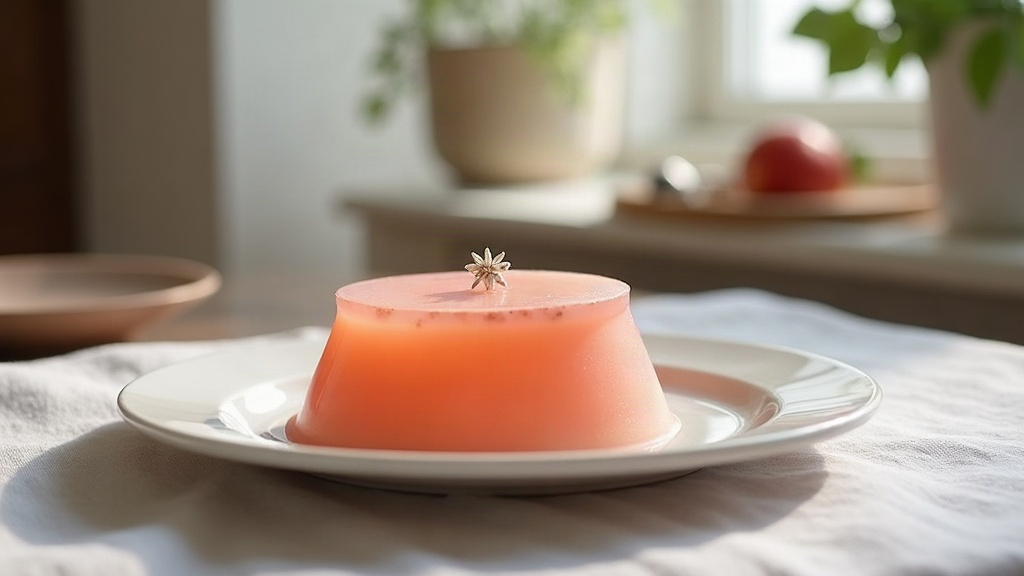
Kitchens have quietly been passing down baking soda e gelatin routines for generations. This guide walks through what that tradition actually involves, and why so many women are revisiting it today.
Ask any group of women over coffee, and most will say the same thing: something shifted, quietly, without an obvious cause. Here’s what tends to change beneath the surface.
The way your body communicates hunger and satisfaction isn't fixed. For many women, those internal cues become less predictable as the years go on.
Collagen is one of the most abundant proteins in the body, and its natural production tends to decline with age — long before it becomes visible.
Maintaining muscle and structural tissue isn't a one-time project. It's an ongoing conversation between habits, food, and rest.
Many wellness habits passed down through generations were built around slower routines. Fitting them into a busy modern schedule takes some rethinking.
There’s a lot of noise out there about metabolism and female bodies. Here’s a simple side-by-side to help sort common claims from what’s more grounded.
Metabolism is fixed once you reach adulthood.
Metabolic rate is influenced by muscle mass, activity, sleep, and other factors that shift throughout life — it isn’t a single locked number.
Skipping meals is the fastest way to feel lighter.
Consistent eating patterns tend to support more stable energy and fullness signals than skipping meals altogether.
Any dietary change works the same for every woman.
Bodies respond differently based on history, habits, and biology, which is why personalized, gradual approaches are usually discussed by professionals.
This isn’t a strict program — it’s a way of thinking about daily habits that a lot of women find easier to follow long-term.
Before changing anything, many women find it useful to simply notice patterns: energy levels, fullness, sleep, and how meals make them feel.
Instead of overhauling everything at once, small routines — like consistent meal timing — tend to be easier to sustain.
Some habits used by earlier generations, including how gelatin and simple pantry staples were used, are getting a second look through a modern lens.
Long before wellness trends had names, home kitchens relied on a short list of staples. Gelatin, made by breaking down collagen from natural sources, was a common pantry item used across generations for cooking and everyday routines. Baking soda, similarly, was a multipurpose staple — used in baking, cleaning, and various household routines long before it appeared in modern wellness conversations. Neither ingredient is new. What’s new is the renewed interest in understanding how they were traditionally used, and why.
The interesting part isn’t that these ingredients are novel — it’s that they were common, ordinary, and largely forgotten as more processed alternatives took over kitchen shelves.
Some women notice their hunger cues become less consistent, making meal planning feel more like guesswork.
Changes in skin texture or elasticity are commonly linked to natural shifts in collagen over time.
Everyday movement can start to feel different, particularly first thing in the morning or after periods of rest.
Fluctuations that don't match diet or activity changes are a common and often confusing experience.
A slower afternoon slump is one of the more commonly reported changes among women navigating body shifts.
Brittle or slow-growing nails are frequently mentioned alongside other structural changes in the body.
These are individual experiences shared for illustrative purposes only. Names have been changed. Individual results may vary, and these testimonials are not a guarantee of any specific outcome.
Hydrolyzed gelatin is gelatin that has been broken down into smaller components, which is why it dissolves more easily and is often used in various food preparations and traditional kitchen routines.
No. This content is educational and explores traditional kitchen habits. It does not diagnose, treat, cure, or prevent any condition.
Both were common household staples used across generations, often for different purposes. The video explores their shared history in everyday kitchens.
No. The content is intended for women in general who are curious about traditional wellness habits and body changes over time.
Not at all. The material is meant to inform, and any decisions about personal habits should involve a qualified healthcare professional.
The video references general, publicly available information about collagen and traditional ingredient use. It is not a substitute for professional medical or nutritional advice.
You can access the free educational video by clicking the button above or below on this page.
Watch the free video to learn more about the tradition, the ingredients, and why so many women are taking a closer look at their everyday habits.
Advertising Disclosure: This page contains sponsored content and affiliate links. We may receive compensation if you click a link or make a purchase through links on this page. This helps support the educational content we provide at no additional cost to you.
Content Disclaimer: The content on this page is provided for educational and informational purposes only. It has not been evaluated by the FDA. It is not intended to diagnose, treat, cure, or prevent any disease or health condition. Always consult a qualified healthcare professional before making changes to your diet, lifestyle, or wellness routine.
Results Disclaimer: Individual results may vary. Any testimonials or examples shared on this page reflect personal experiences and are not a guarantee of any specific outcome for you or any other individual.
© 2026 · All Rights Reserved